
AE Centenionalis,
18mm, 2.13 g, Roma mint c. CE 367-372
RIC IX 24
(xii b)
RCV 20105
O: diad cuir
bust r, DN GRATIA-NVSPF AVG
R: Victory
adv l holding wreath and palm, SECVRITAS-REIPVBLICAE in ex-
R*QVARTA
Ex: W. Esty
AE Centenionalis,
18mm, 2.13 g, Roma mint c. CE 367-372
RIC IX 24
(xii b)
RCV 20105
O: diad cuir
bust r, DN GRATIA-NVSPF AVG
R: Victory
adv l holding wreath and palm, SECVRITAS-REIPVBLICAE in ex-
R*QVARTA
Ex: W. Esty


Album 3539
O: لعبدالله عبدالملك اميرالمؤمنين
stg caliph facing
R: لا اله الا الله وحده محمد رسول الله
transformed cross on three steps to the right بحمص
Ex: W. Esty


Monnaie de Paris, 11 Quai de Conti, 6e arrondissement Paris (left bank of Seine). Closed at the time when we could visit so we cannot provide any impressions one way or another.


The Quayside during the 4th and 5th centuries reconstructed. The island was much smaller at that time which placed the shoreline further inland than it appears now.


steps leading down to the Quayside.


France 10c, 2024, Simone Veil new emission of French Euro Coins


Sear Greek I, 633
Lindgren III 291
Crawford CMRR p. 71ff.
O: hd of Demeter r.
R: forepart of boar, two pellets below and ΠAIS


SC 2364.2g
O: diad hd of Antiochos IX r, with short curly beard, one diad end waving up behind, the other falling forward over shoulder, dotted border.
R: ΒΑΣΙΛΕΩΣ ANTIOXOY in two lines on r., ΦIΛOΠATOPOΣ on l., winged thunderbolt placed vertically.
Σ = SE 200 on inner left
On outer left:
Controls: N with line above.
Symbol: star

Album 3524
Wilkes 133
O: facing bust. To right بحمص to left KAΛON
R: Cursive M dividing EMI on left and CHC on right and طيب in exergue.

AE Fals; 22 mm, 4.3 g, 6h, Hims (Emesa) mint.
Album 3524
Wilkes 133
O: facing bust. To right بحمص to left KAΛON
R: Cursive M dividing EMI on left and CHC on right and طيب in exergue.

SC 2229.1 variety
O: diademed hd of Alexander II r. diadem ends falling straight behind, dotted border.
R: ΒΑΣΙΛΕΩΣ on the r., AΛΕΞANΔPOY on l., young Dionysus stg., l., holding cantharus and thyrsus.
Date; inner left reading downward: ΔΠP
Control IΣI to outer left with any symbols off flan.


Ten Pounds signed by Victoria Cleland 2014-2018, depicting Jane Austen

Twenty Pounds signed by Sarah John 2018-present, depicting J.M.W. Turner

EX: Musa Numismatic Art/Glen Lindwall (CA)
EX: CNG 556 (21 Feb 2024) lot 412
Ex: Dr. Thomas E. Beniak Collection purchased from CNG 8 March 1991
Ex: Hans M. F. Schulman Auction 17 June 1958, portion of lot 504 from the Curtis Collection
Ex: Col. James W. Curtis Collection, 1542

SNG Paris 1134
RPC 74362 (3 examples noted with this coin illustrating type)
O: draped bust r, IVLIA AV-GVSTI
R: Mên stg facing hd to the right, left foot on bucranium, chicken at rt foot and holding nike, COL MEN ANTIOC

SNG Von Aulock 4934
RPC 74368
O: laur draped and cuirassed bust r, ANTONINVS PIVS AVG
R: Genius stg facing hd l, holding cornucopia, ANTIOCH G-EN COL CA
Ex: FSR
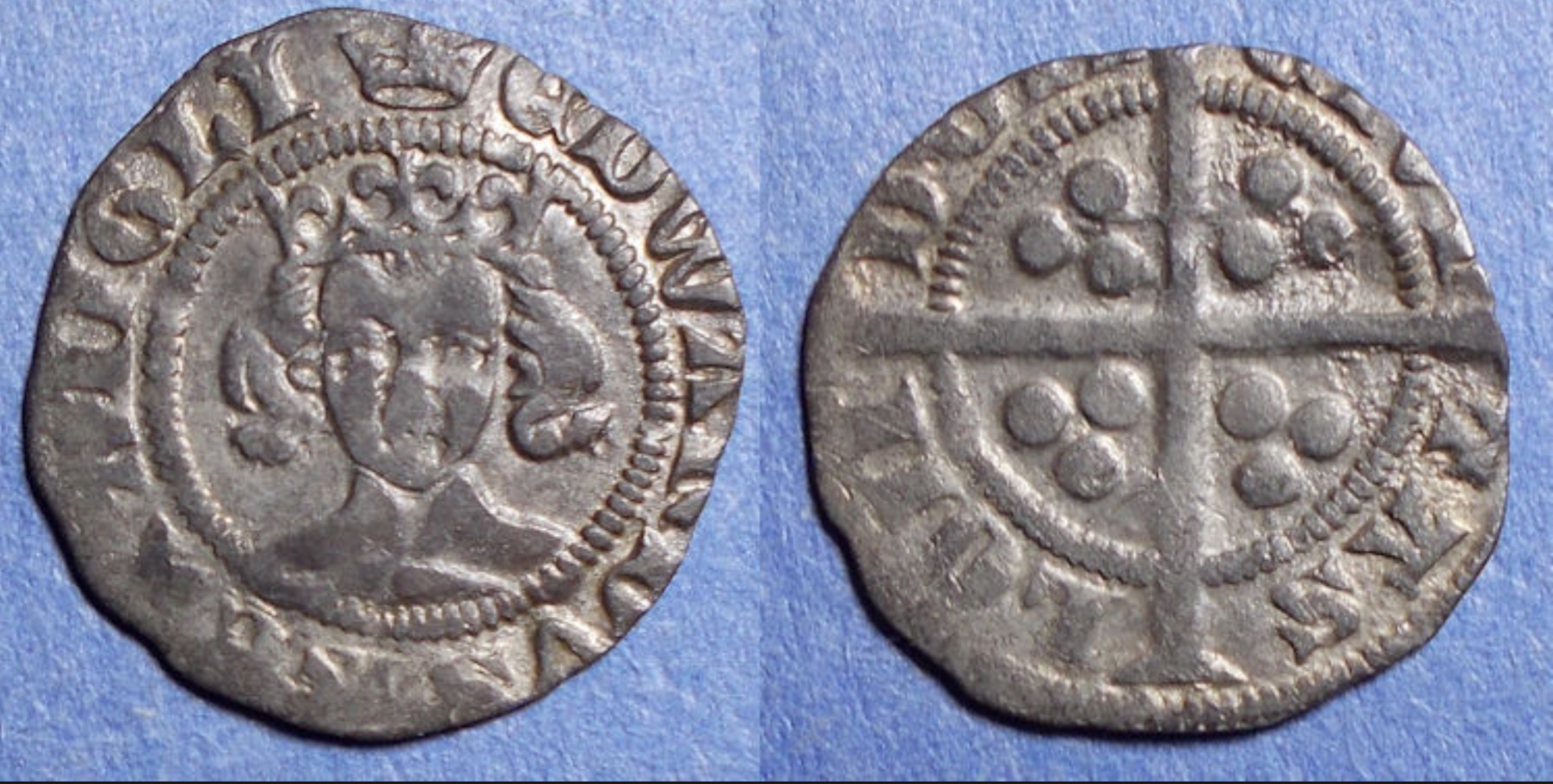
SCBC 1587
N 1176
Fourth coinage, Series F, i.m. coronet
O: facing crowned portrait of king, EDWARDVS REX ANGLI
R: Long cross, three pellets in each angle, CIVITAS LONDON

SNG France 2 Cilicie 1837
SNG Levante 1198 (plate 80)
RPC unassigned ID 60634 (12 specimens) [this coin illustrated in text cf. Bay Numismatics reference]
O: KOPNHLIAN CA-ΛΩNINAN CE, bust of empress r on a crescent, surrounded by oak wreath
R: TAPCOV M-HTPOΠOΛC ΩC in left field AMK and right field Γ Γ, Cybele std r, feet between two lions.
from RPC online:
| Ταρσοῦ μητροπόλεως αʹ μ(εγίστης) κ(αλλίστης) γʹ γʹ | ||
Translation
|
Ex: W. Esty
Ex: N & N London Online Auction 50 (29.06. 2024) lot 362
Ex: Bay Numismatics (Rotterdam, NL) EA 2, (11 April 2024) lot 285

RIC X 100 variety
Esty Type 47
O: facing bust helmeted cuir with shield and spear lg cross on shield DN THEODOSIVS PF AVG
R: Constantinopolis std holding victory facing left with rt foot on prow CONCORDI-A AVGG/in ex ANTI
Ex: W. Esty
.WEBP)